Cut a shallow scoop into the fixed bezel. It exposes the edge of the removable grille exactly where you need to lift it.
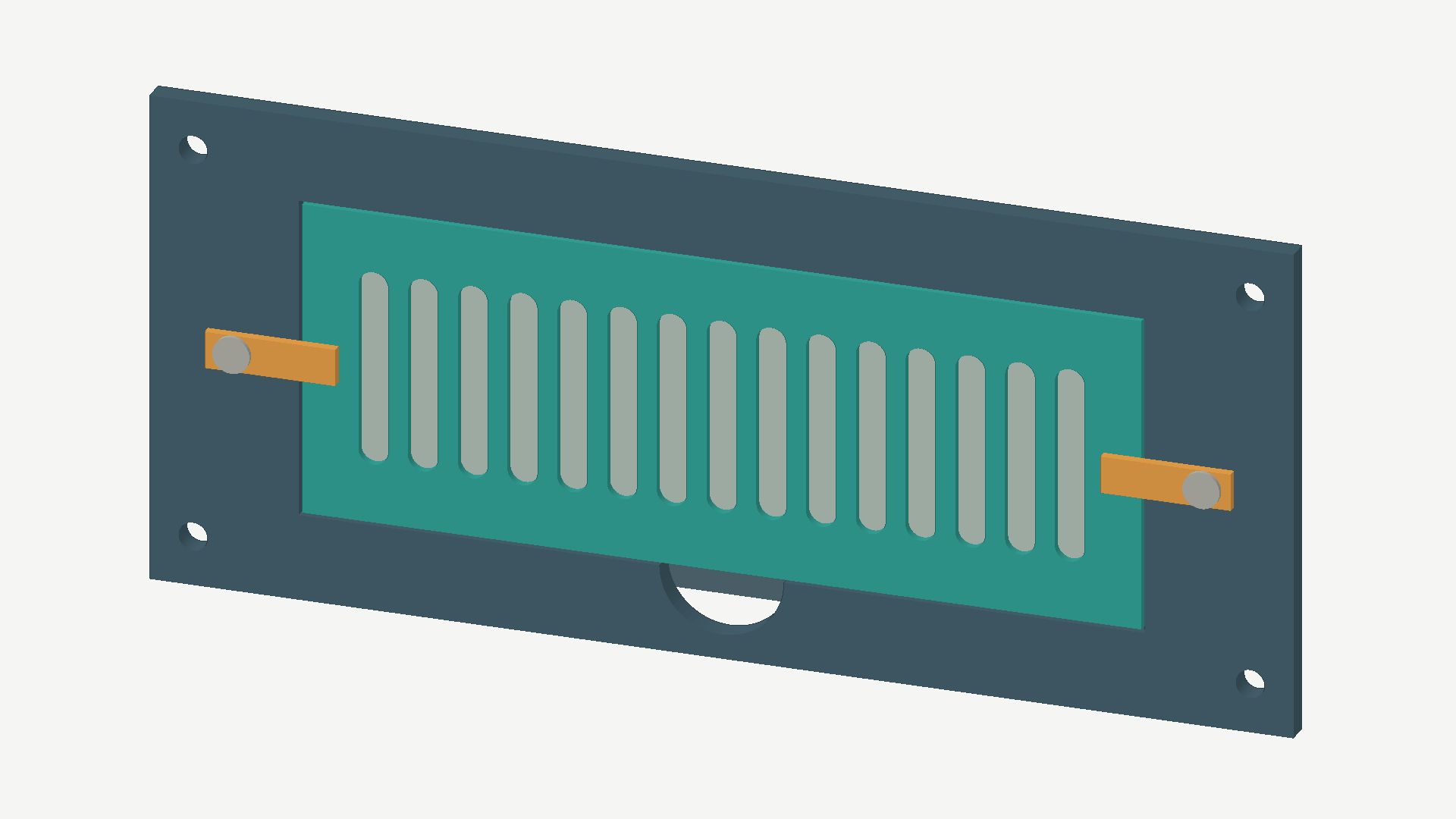
Picture the first filter change. You turn the two amber tabs clear. The grille is free, but its face sits level with the surrounding panel. The four mounting screws are in plain sight. The edge you actually want to lift is harder to find.
What comes away with the grille?
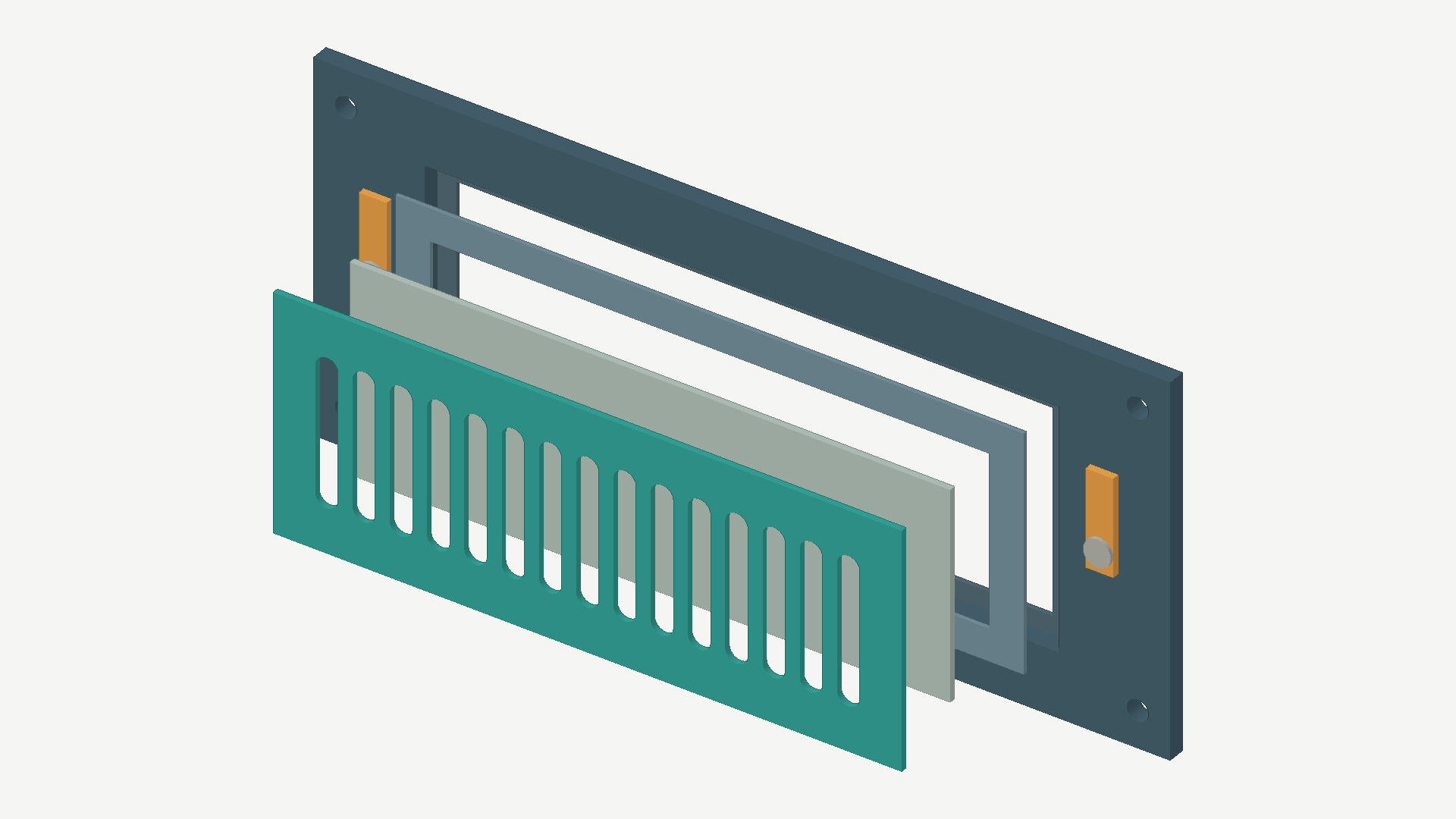
The teal grille covers a filter pad and a thin backing frame. The dark bezel stays on the enclosure. Turn the tabs, lift the grille from its lower edge, and the pad is the next layer you reach. That sequence puts the finger scoop in the fixed bezel, right below the grille.
How much of the rim can you spare?
The strip below the grille is 14 mm deep. A 12 mm semicircular opening cuts 6 mm into that strip and leaves 8 mm below it. The rear ledge is visible behind the scoop, so only a sliver of that first opening is clear all the way through. Doubling the opening to 24 mm exposes more of the grille edge, but leaves just 2 mm of material at the bottom.
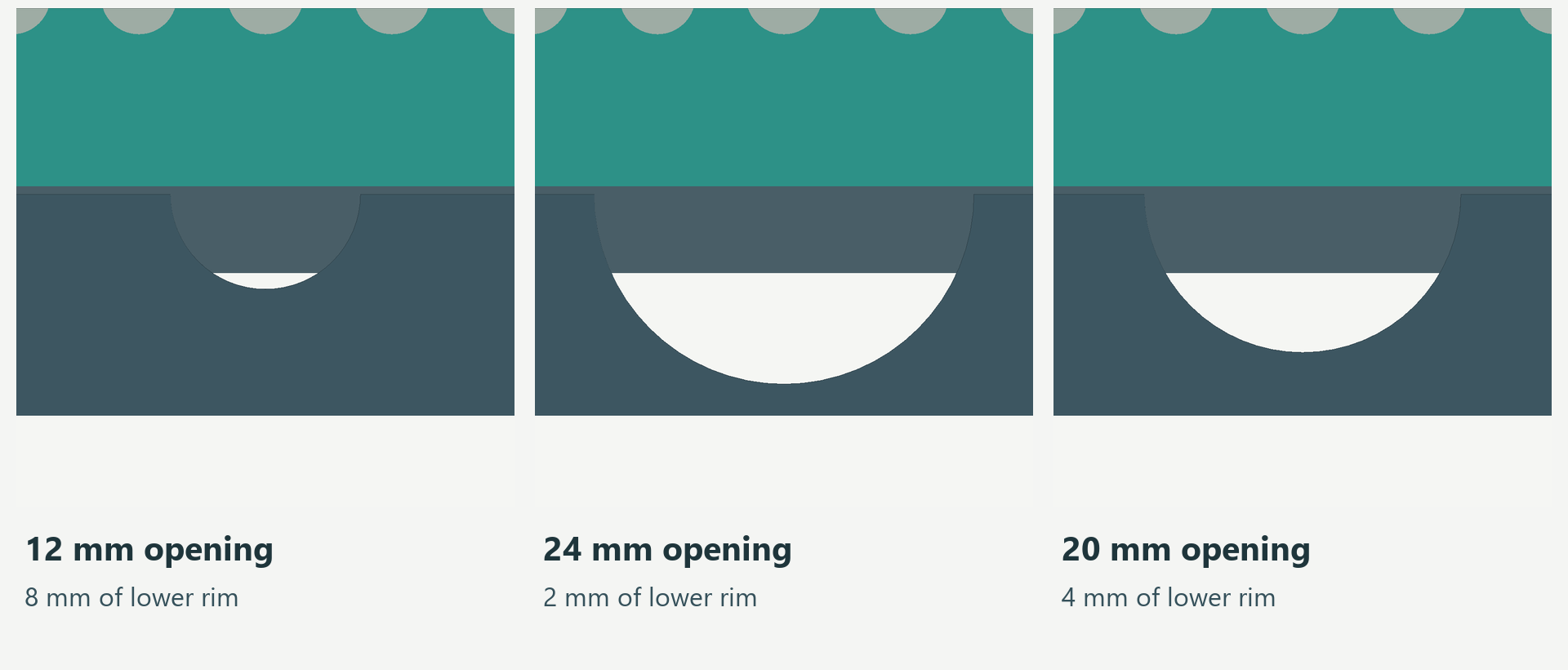

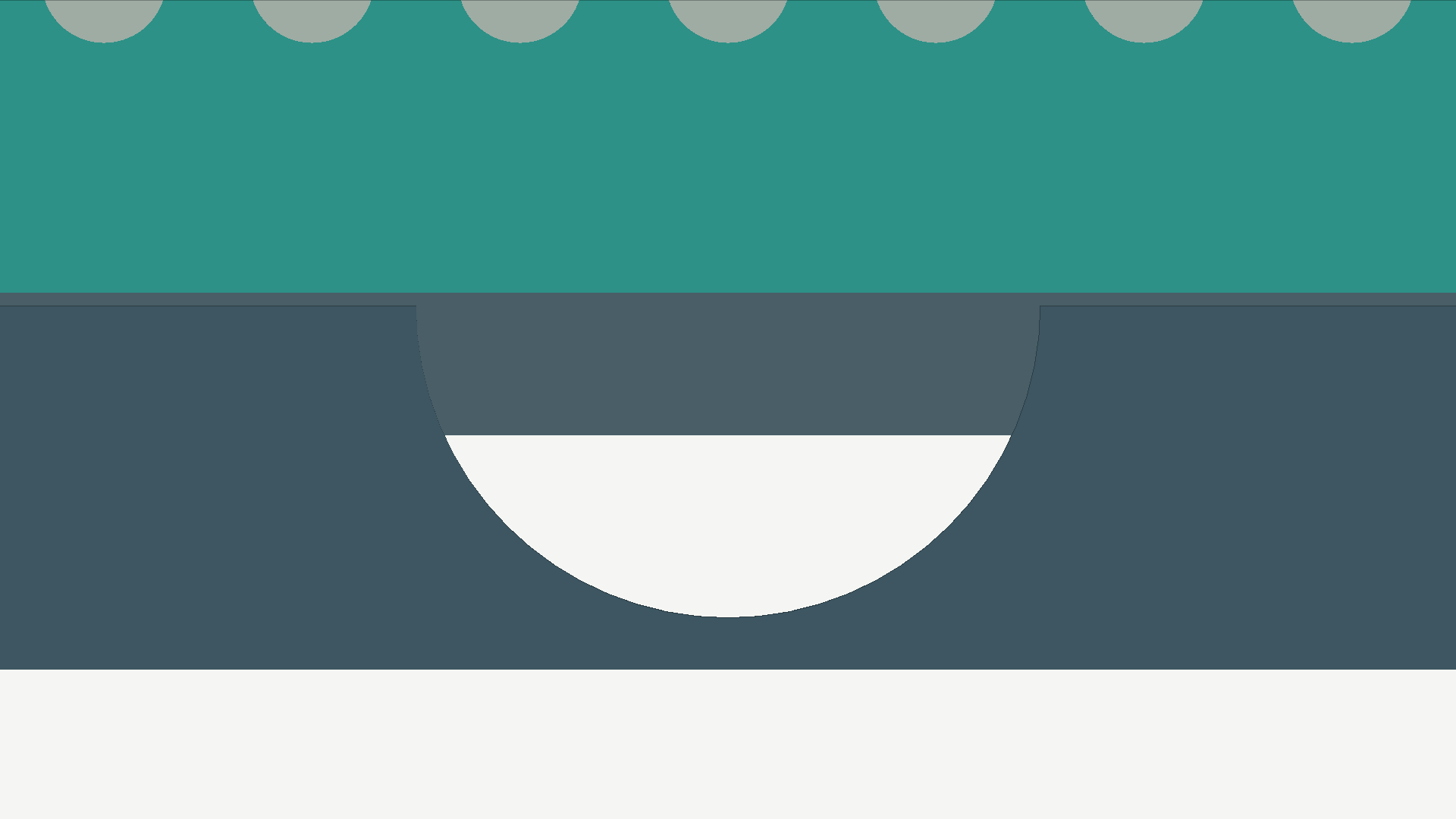

We brought the opening back to 20 mm. That leaves a 4 mm rim and exposes 8 mm more of the grille edge than the first design. It is the version we would try in a physical mock-up, where the real question is whether a fingertip can get underneath comfortably.